
Sit in the Uncertainty
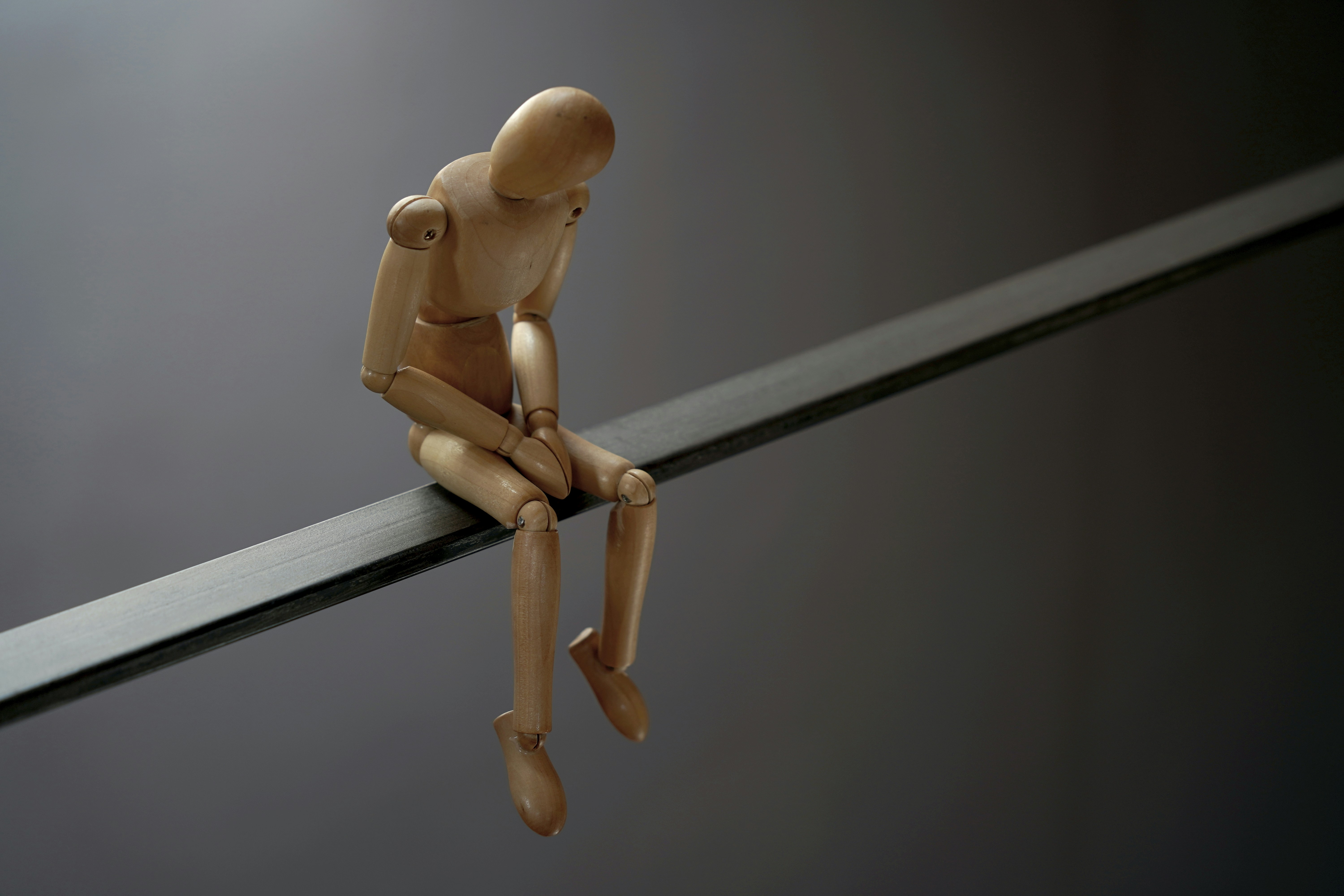
What does it feel like to sit in uncertainty?
Photo by Marco Bianchetti on Unsplash
What does it feel like to sit in uncertainty? Normally, when I get that feeling in my mind and body, I do everything to push it away, avoid it, or fix it. I do not know what is going to happen next. My muscles feel tense, and my body temp rises. It is my reflex to quickly fix or move away from what is happening because I don’t want to feel this way. This is not often an effective strategy. When we rush to fix or avoid as leaders, we can miss opportunities, perspectives, and so much more. What would it look like and feel like to sit in that uncertainty and not try to avoid it? What would that accomplish?
Strategies for Sitting in Uncertainty:
- Check the facts: This is an effective strategy with its roots in Dialectical Behavior Therapy. When I feel unsure, I run through the FACTS in my head or write them down about the situation. I leave out the story or the thoughts that I have woven in my head. I try to separate what happened (the facts) from what I assume (the story). For example, if I am uncertain about how my presentation will be received. I can check the facts: I prepared for weeks ahead. I reviewed my work. I did the research. I checked with my client about what they expect. Those are the facts!
- Check in with your body. Pay attention to what your body is telling you. Your body sometimes knows before your mind. Then, you can make a decision about resetting. Is your heart racing? Are your muscles tense? What does this mean for you?
- Are these thoughts useful? Are you creating thoughts and stories in your head that are useful to move forward or are they keeping you stuck? If they are useful, sit with them and investigate. If not, acknowledge they are not helpful and let them go. I know this is hard!
- What’s the worst that will happen? When I face an uncertain situation, I try to imagine the worst possible outcome and decide how likely it is or whether I am catastrophizing.
Benefits of Sitting in the Uncertainty:
- I am less resistant to change. Overall, practicing these skills of sitting in uncertainty has made me less resistant to the unexpected and to change. I still have an initial reaction and then I can use tools to accept rather than resist.
- I meet the unexpected with more openness. Once I pay attention to my body and my thoughts, I can approach a moment of uncertainty with more clarity. It has reduced my ‘black and white’ thinking about issues.
- I actually see opportunities rather than dead ends: less catastrophic thinking. I can sort my useful and not useful thoughts and see choices I may not have seen before.
- My decision-making has improved. I can slow down and refine my decision-making process. I take my time and think things through.
When I engage in these strategies and approaches, I model for those around me that there are multiple ways to approach a moment of uncertainty. I try to make subtle shifts in how I face uncertainty and then reflect on how these small changes impact my decision-making, my relationships, and my outlook. Fear and worry are not the only paths and maybe not the most effective. They just might be the most familiar and habitual. After all, uncertainty is a constant, and so we have plenty of opportunities to keep developing and practicing these skills in all aspects of our lives.